
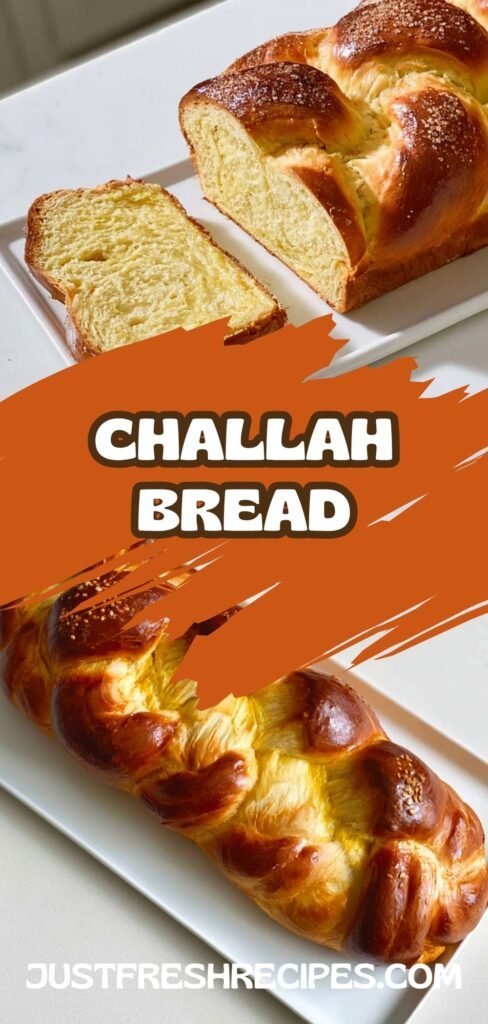
Challah bread is a soft, slightly sweet loaf that fills your kitchen with a warm, comforting aroma as it bakes. The golden crust and fluffy texture make it perfect for sharing during special occasions or quiet family dinners.

You can absolutely make this delicious bread at home. Don't worry if your braid isn’t perfect; every loaf has its own charm, and the process is forgiving.
Why This Recipe Works
This challah bread recipe succeeds due to the balance of warm water and yeast, which activates properly for a good rise. The combination of eggs and oil contributes to a soft texture, while the precise mixing and rising times help develop the dough's elasticity. Following these steps ensures a beautifully braided loaf every time. Now that you understand why this recipe is effective, let's move on to some tips for perfecting your technique.
The One Thing That Makes It Work
- The key to achieving perfect challah bread lies in the dough's rise.
- Allowing it to double in size not only enhances the texture but also contributes to the bread’s lightness and flavor.
- Patience during this step ensures a beautifully fluffy result.
Now that you understand the importance of the dough's rise, let's explore how to shape your challah for an impressive finish.
Essential Ingredients
To create the perfect challah bread, gather these essential ingredients with care.
- 4 cups all-purpose flour (sifted): Sifting the flour helps to aerate it, resulting in a lighter bread texture.
- 1 cup warm water (about 110°F (43°C)): Use a thermometer to ensure the water is at the right temperature for yeast activation.
- ½ cup granulated sugar (divided): Dividing the sugar helps feed the yeast during fermentation and enhances flavor.
- 1 tablespoon active dry yeast (or instant yeast): Choose high-quality yeast for optimal rising; instant yeast can be mixed directly into dry ingredients.
- ¼ cup vegetable oil (or melted butter): Both options provide moisture and richness; use melted butter for a richer flavor.
- 3 large eggs (room temperature): Room temperature eggs blend better into the dough, ensuring a consistent texture.
- 1 teaspoon salt: Salt enhances the flavor of the bread and controls yeast activity for a balanced rise.
- 1 large egg (beaten): This will be used for the egg wash, giving your challah its signature golden finish.
- 1 tablespoon water: Mixing this with the beaten egg creates a smooth egg wash that adheres well to the dough.
The full ingredients list, including measurements, is provided in the recipe card directly below.
Do This, Not That
- When measuring flour for your challah bread, make sure to sift it first for a lighter texture; using unsifted flour can lead to a denser loaf.
- Use warm water around 110°F (43°C) to activate the yeast effectively; water that's too hot can kill the yeast and hinder rising.
- Choose room temperature eggs to ensure they incorporate smoothly into the dough; cold eggs may cause the mixture to seize up and affect the final rise.
Now that you're equipped with these tips, let's move on to mastering the shaping of your challah bread.
Step-by-Step Method
Start by combining warm water, 1 tablespoon of sugar, and yeast in a large mixing bowl. Stir gently and let it sit for about 5-10 minutes until it becomes foamy. This foam indicates that your yeast is active and ready to help the bread rise.
In a stand mixer bowl, mix the sifted flour, remaining sugar, and salt. Make sure to combine these dry ingredients well so that the sugar and salt are evenly distributed throughout the flour. This will ensure a consistent taste in your challah bread.
Next, add the yeast mixture, vegetable oil, and 2 eggs to your flour mix. Using a dough hook on low speed, mix until the dough starts to come together. Gradually increase the speed to medium and continue mixing for about 5-7 minutes until you achieve a smooth and elastic dough.
If your dough feels sticky while mixing, add more flour one tablespoon at a time until it’s manageable but still soft. Once you have the right texture, shape the dough into a ball and place it in a greased bowl. Cover it with a kitchen towel and let it rise in a warm spot for about 1-2 hours, or until doubled in size.
After the dough has risen, punch it down gently to release any air bubbles. Divide the dough into three equal pieces for braiding. Roll each piece into long ropes about 12-15 inches long, ensuring they are even in thickness to promote uniform baking.
Once you’ve shaped your ropes, pinch them together at the top and braid them carefully. Tuck the ends under to secure them. Place your braided dough on a parchment-lined baking sheet and cover it with a towel again for another rise of about 30-45 minutes until puffy.
With everything prepared, preheat your oven to 350°F (175°C). Create an egg wash by whisking together the beaten egg with water. Brush this mixture over your braided dough for that appealing golden color once baked. Bake for 25-30 minutes until golden brown and hollow sounding when tapped on the bottom.
Now that you've mastered making challah bread from scratch, let's explore some ideas for enjoying this delightful loaf freshly baked.
Troubleshooting (If Something Goes Wrong)
If your challah bread dough doesn't rise, it may be due to inactive yeast; ensure your yeast is fresh and that the water temperature was correct at about 110°F (43°C). If the bread turns out too dense, it might have been over-kneaded; next time, mix until just smooth and elastic. Remember, baking is a learning process, and adjustments can lead to better results. Now that you’re equipped to tackle any issues, let’s explore some serving suggestions for your freshly baked challah.
Variations You’ll Actually Want to Try
For a fun twist on your challah bread, consider adding chocolate chips or dried fruit like raisins or cranberries into the dough before braiding. You can also try infusing the dough with spices such as cinnamon or cardamom for a warm flavor. Feel free to experiment while keeping the core recipe intact! This will bring a delightful variety to your baking experience. Next, let's explore some creative serving ideas for your freshly baked challah.
Pick Your Flavor Path
- For a hint of sweetness, mix in a tablespoon of honey to the dough before it rises.
- If you're craving a savory twist, sprinkle some garlic powder into the flour mixture for added depth.
- For a cheesy touch, fold in shredded mozzarella just before braiding the dough for a delightful surprise.
Now that you've explored different flavor options, let's move on to shaping your challah bread.
FAQ
How long does it take to make challah bread?
The total time to make challah bread is approximately 180 minutes, including rising and baking.
Can I substitute ingredients in the challah bread recipe?
You can use melted butter instead of vegetable oil for a richer flavor, but no other substitutions are recommended.
What is the best way to store leftover challah bread?
Store leftover challah bread in an airtight container at room temperature for up to three days.
With these tips, you're all set to enjoy your homemade challah bread.
Challah Bread
Ingredients
- 4 cups all-purpose flour sifted
- 1 cup warm water about 110°F (43°C)
- ½ cup granulated sugar divided
- 1 tablespoon active dry yeast or instant yeast
- ¼ cup vegetable oil or melted butter
- 3 large eggs room temperature
- 1 teaspoon salt
- 1 large egg beaten
- 1 tablespoon water
Method
- In a large mixing bowl, combine warm water, 1 tablespoon of sugar, and yeast. Stir gently and let it sit for about 5-10 minutes until foamy. This step activates the yeast, ensuring your bread rises properly.
- In a stand mixer bowl, combine the sifted flour, remaining sugar, and salt. Mix well to evenly distribute the ingredients.
- Add the yeast mixture, vegetable oil, and 2 of the eggs to the flour mixture. Using a dough hook, mix on low speed until the dough comes together, then increase to medium speed for about 5-7 minutes until the dough is smooth and elastic.
- If the dough is too sticky, add a little more flour, one tablespoon at a time, until it is manageable. The dough should be soft but not overly sticky.
- Shape the dough into a ball and place it in a greased bowl, turning it to coat. Cover with a kitchen towel and let it rise in a warm place for about 1-2 hours, or until doubled in size.
- Once the dough has risen, punch it down to release the air. Divide the dough into three equal pieces for a traditional braid.
- Roll each piece into a long rope, about 12-15 inches long. Make sure they are even in thickness for uniform baking.
- Pinch the tops of the three ropes together and braid them, tucking the ends under to secure. Place the braided dough onto a parchment-lined baking sheet.
- Cover the braided dough with a towel and let it rise again for about 30-45 minutes until puffy.
- Preheat your oven to 350°F (175°C).
- In a small bowl, whisk together the beaten egg and water to create the egg wash. Brush the egg wash over the braided dough to give it a beautiful golden color when baked.
- Bake in the preheated oven for 25-30 minutes, or until the bread is golden brown and sounds hollow when tapped on the bottom.
- Remove from the oven and let it cool on a wire rack before slicing. This allows the steam to escape and prevents the bread from becoming soggy.
Leave a Reply